
Real People. Real Stories. Real Impact.

At Rochdale and District Mind, we know that every experience with mental health is unique.

This page shares personal stories from people who’ve engaged with our services, whether that’s one-to-one support, counselling, community groups, or fundraising.

These case studies help show the human side of what we do and why it matters. They also demonstrate the value of your support, whether you’re a local business, a fundraiser, a volunteer, or someone looking to understand what help looks like in action.

We’re grateful to everyone who’s shared their journey to help reduce stigma, build empathy, and show others they’re not alone.

“Recovery isn’t one big leap, it’s small, supported steps.” - Christine's Story

Trapped by anxiety, depression, and thoughts of ending her life, she felt overwhelmed, isolated, and unsure how to move forward. Even going downstairs felt like too much.

The support Christine received wasn’t “one-size-fits-all”, or blocked by long waiting lists. Instead, she was met with kindness, patience, and people who genuinely listened.

With a small, dedicated team, including staff from Rochdale and District Mind, Christine began setting small, manageable goals.

What started with leaving her bedroom gradually became something much bigger. Over four months, she worked toward going downstairs in her home, to then leaving the house with the support of her daughter to visit Rochdale and District Mind’s wellbeing centre.

In time, Christine began CBT sessions, started going to the gym regularly, and is now looking into volunteering, something that once felt completely out of reach.


Christine’s journey is a powerful reminder that recovery doesn’t happen in one big leap. It’s made up of small, supported steps. And when the right care is in place, rooted in empathy, understanding, and community, those steps lead to hope.

“My advice to anyone struggling is that help is out there. When you feel so bad, everything can seem hard. Even if you don’t think you’ll get somewhere, you will. Just stick with it!”.

Her story is just one of countless made possible through collaborative mental health services in our community. At Rochdale and District Mind, we’re proud to be part of that change, ensuring no one has to face mental health challenges alone.


Read the full article on the support Christine received here

“Accessing the Listening Lounge saved my life.” - Taofeek’s Story

After arriving in the UK in 2010, Taofeek faced a series of difficult life events, including a relationship breakdown that led to depression and alcohol dependency. Seeking a fresh start, he moved to Rochdale but found himself isolated, struggling with his mental health, and unsure where to turn.

That’s when he was introduced to a range of local support services, including trauma therapy, alcohol support, and the Rochdale Listening Lounge: a safe, welcoming space offering emotional and practical help. Despite facing further challenges, including a traumatic mugging and a period of homelessness, Taofeek continued to engage with the Listening Lounge, where staff offered food, clothing, and a place to talk without judgement.

With consistent support, Taofeek began to rebuild his life. He stopped drinking, found full-time work, and reconnected with his family. His outlook and self-confidence improved enormously.

Reflecting on his journey, Taofeek says: Accessing the Listening Lounge has saved my life.”

His story is a powerful reminder of how local, person-centred support can help individuals overcome crisis and move forward with hope and purpose.

“They gave me the strength to leave, to heal, and to start over.” Sophie’s Story*

When Sophie came to us, life felt unbearable. She was trapped in an abusive relationship, bullied at work, and struggling with her mental health. Every day felt like a fight to survive, and she didn’t see a way out.

After a GP referral, Sophie walked through the doors of Rochdale and District Mind’s Listening Lounge, our out-of-hours crisis service. Nervous and overwhelmed, she opened up to one of our workers for the first time.

We listened. We helped Sophie make a plan to stay safe during her darkest moments. We connected her with specialist domestic abuse support, helped her explore new work opportunities, and supported her to build coping skills and confidence.

Over the following months, Sophie’s life began to change. She left her abusive partner and found a safe home for her and her child. She started a new job as a teaching assistant, surrounded by supportive colleagues, and built the tools she needed to manage her anxiety and move forward with hope.

Without the Listening Lounge, I don’t know if I’d still be here. They gave me the strength to leave, to heal, and to start over for myself and my child.

"Calmer and more in control." Leanne's Story*

Leanne was referred to us seeking support to manage anxiety and stress, which she described as stemming from frequent overthinking and catastrophising. She also lives with Fibromyalgia, a condition that affects her energy levels and mobility. Over time, Leanne found herself socialising less, becoming increasingly isolated, and losing interest in everyday activities.

Keen to develop self-help strategies and improve her mental wellbeing, Leanne joined our Small and Friendly Self-help Sessions in Middleton.

At first, Leanne felt apprehensive, but she soon began to relax and engage with others in the group. She openly shared how her struggles with anxiety and Fibromyalgia impacted her mood and overall well-being. The sessions introduced the 5 Ways to Wellbeing, which helped Leanne understand how withdrawing socially was affecting her mental health.

One of the key tools Leanne used was a Mood and Thought Diary. This helped her record fluctuating emotions and identify unhelpful thoughts to challenge as she progressed through the course. She found the Thought Record and Behavioural Experiment worksheets particularly useful, sharing with the group how they helped her reduce “spending less time over-thinking and predicting things that could go wrong.” She described feeling “calmer and more in control,” which also contributed to better sleep.

Leanne also increased her activity levels, reconnecting with friends she hadn’t seen much recently. The course’s focus on activity scheduling supported her in setting achievable goals and celebrating her progress.

While initially hesitant to write positive personal affirmations during the Self-Compassion and Self-Esteem session, Leanne persisted. She found that practicing these affirmations helped boost her self-esteem and recognize her strengths.

Leanne’s journey is a powerful example of how small, supported steps can help individuals regain control over their mental health and wellbeing, with the right tools and community support.

“I have my life back.” - Martin's Story

Martin, in his fifties, came to Rochdale and District Mind after struggling with PTSD and depression. He felt isolated, lacked confidence, and had difficulty engaging with groups.

Initially attending only half days, Martin’s progress was slow but steady with the support of volunteers and the wellbeing coordinator.

Gradually, he tried new activities, such as team construction work, and began to feel safe enough to attend consistently. Through regular one-on-one sessions, Martin worked through painful past experiences and made peace with difficult family relationships.

Over time, he regained his self-esteem and confidence, enabling him to return to full-time employment.

Martin says, “I was able to do things at my own pace without pressure or judgement, which helped me steadily build up the confidence I needed to get back to work and on track. I have my life back.” His story shows the power of tailored, compassionate support in rebuilding lives.

“Every journey is unique; understanding brings hope.” - The Aziz Family Story*

The Aziz family was referred to Rochdale and District Mind’s Dementia & Carers service after Naheeda, a member of the Diverse Women’s Group, mentioned her husband Abdul’s growing confusion and agitation. Due to cultural taboos and language barriers, Abdul was initially reluctant to accept help.

The Dementia team worked closely with the family, providing tailored support, signposting to social care, and encouraging involvement in community groups. Slowly, trust built and both Abdul and Naheeda began attending support sessions, finding connection and relief.

The team continues to support them, breaking down cultural barriers to care. This journey highlights the importance of sensitive, ongoing support to help families navigate complex health and social challenges.

"Coming here helps me feel normal again." - Callum's Story

Callum first sought help at Rochdale and District Mind after his anxiety worsened during the Covid lockdown.

Struggling with stress, isolation, and self-harm, he was initially hesitant to join group services. Callum gradually engaged in small, supportive groups like the Men’s Wellbeing Support and later the Anxiety and Depression Support Group.

These safe spaces helped him build confidence, increase social interaction, and learn self-help strategies. Over time, Callum’s well-being improved substantially, helping him move toward recovery and a more connected life. He shared, “So far the group sessions I have attended have been excellent for my mental health and wellbeing,” and “Coming here helps me feel normal again.” 

Callum’s story reflects gradual progress and the healing power of community understanding.

"I met other women which gave me hope that I was not alone." - Fozia's Story*

Fozia sought support from Rochdale and District Mind’s EDC services after struggling with anxiety and depression linked to cultural pressures about marriage and children.

Feeling isolated and judged by family, she was unable to leave her home. With pastoral care and phone-based one-to-one sessions, Fozia learned coping tools, set achievable goals like learning to drive, and improved her relationship with her husband.

She also found hope and connection attending the EDC Women’s Social Café. Fozia said, “I enjoyed the 121 wellbeing sessions which helped me manage my Anxiety and Depression. The support was understanding of cultural pressures and stigmas.”

Her journey shows how culturally sensitive mental health support can rebuild confidence and community ties.

Names marked with an asterisk (*) have been changed to maintain confidentiality.
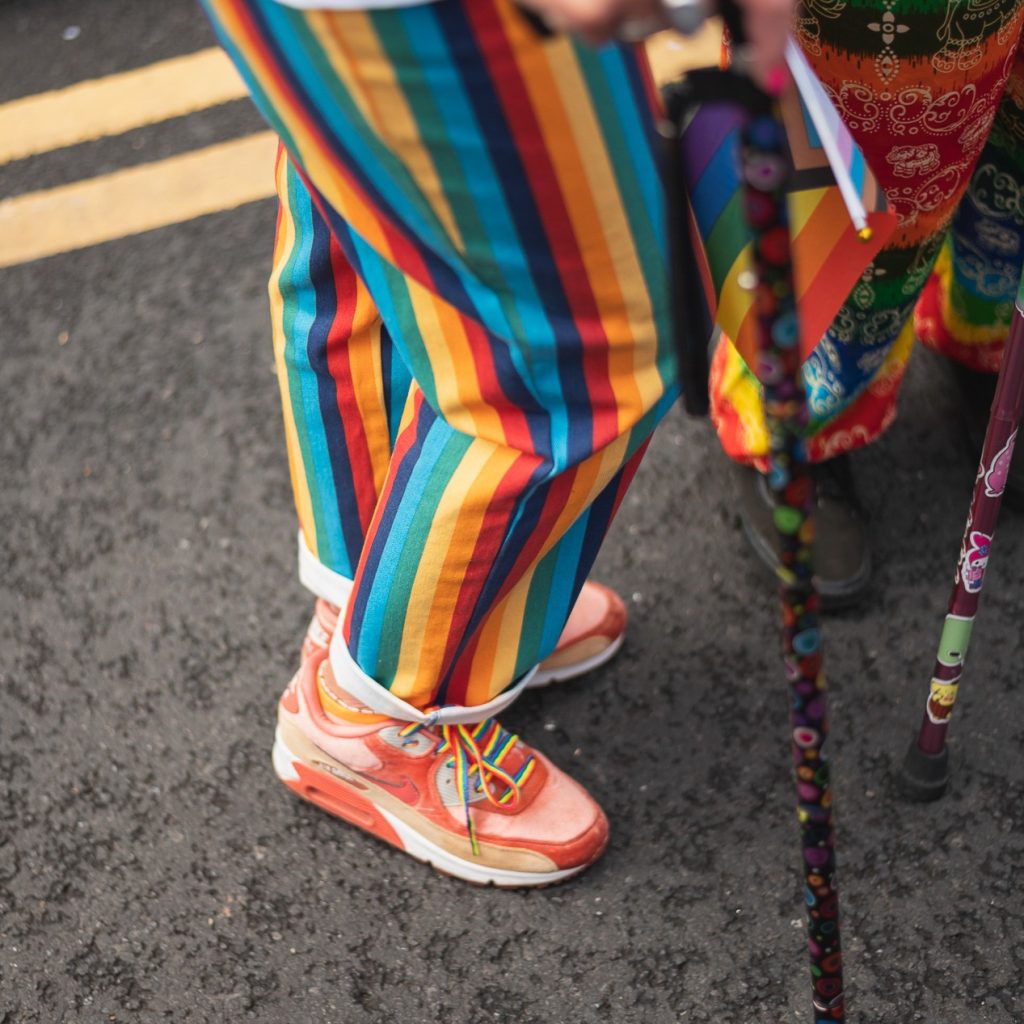
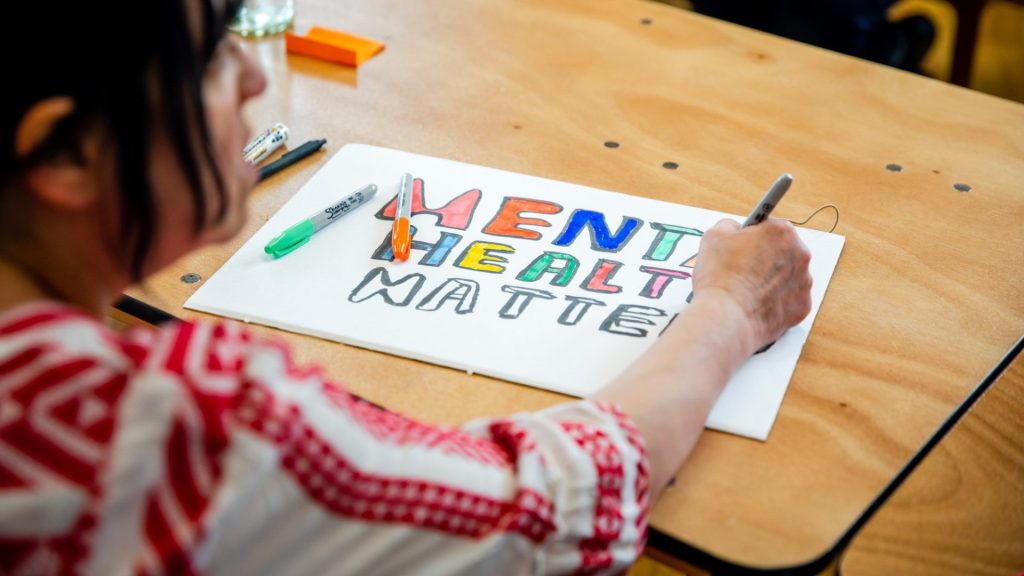
All photographs are stock images for illustrative purposes only and do not depict the individuals mentioned.